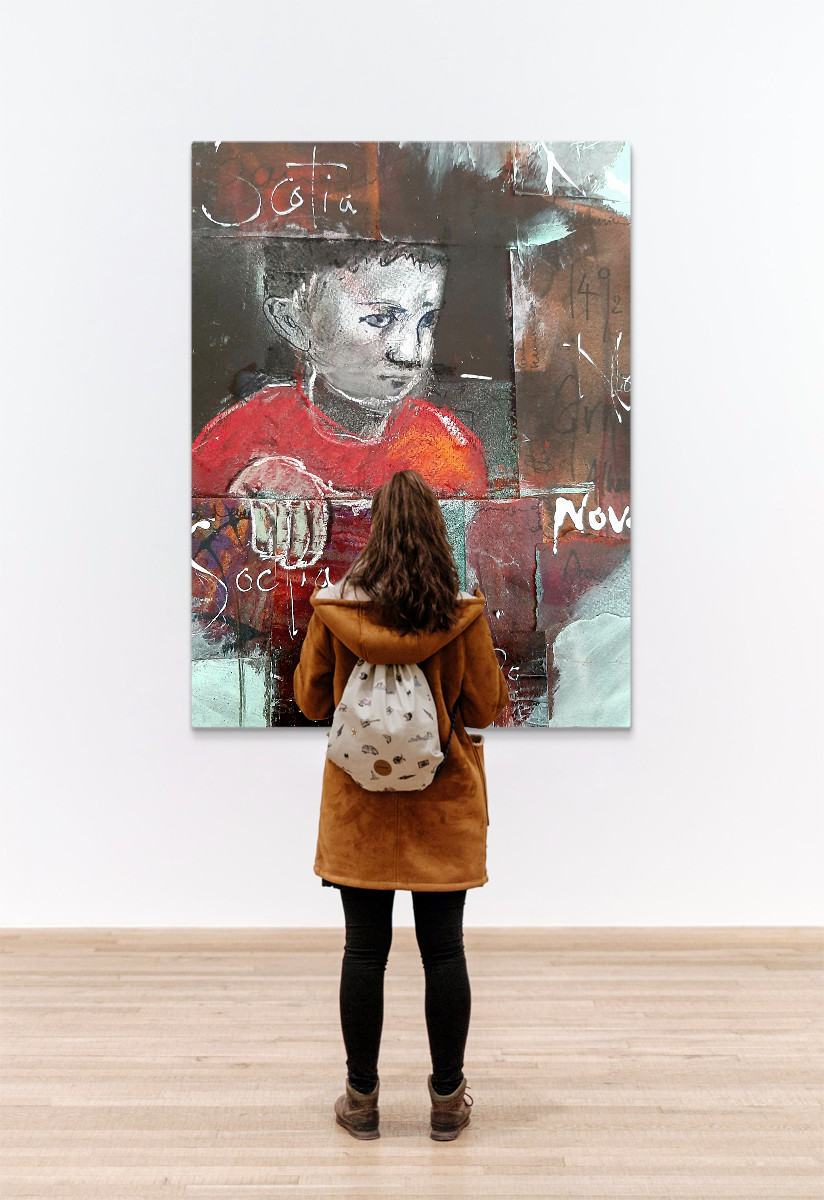
As I start to prepare for my next South American adventure, this is the question that's grabbing me.
Leaving behind a country in dire crisis ( Spain), how can we, living in First World nations, help each other be part of a transition to a gentler, more responsible way of living by replacing attachment to things with deeper relationships to people, nature, and self?
An example of this is lived out by the indigenous people of Peru and Bolivia. Many have no other choice. They live as their grandparents lived.
I travel to learn as I learn to travel.
What part can storytelling and music play in this transition, here in the West? What part does it play in the Andes?
In Peru and Bolivia I'm going to be looking for storytellers, musicians, shamans , people in tune with Pachamama. I'll be meeting friends whose lack of financial resources does not interfere with their faith that, in alignment with Pachamama, all will be well, and all that is needed will be provided.
This inspires me and many, many others to share in ways we never imagined possible.
Pachamama is a goddess revered by the indigenous people of the Andes. Pachamama is usually translated as Mother Earth, but a more literal translation would be "Mother world."
Cuando empiezo a prepararme para mi próxima aventura de América del Sur, esta es la pregunta que me está agarrando.
Dejando atrás un país en crisis extrema (España), ¿cómo podemos, que viven en naciones del primer mundo, ayudarnos unos a otros, ser parte de una transición a una vida más suave, de manera más responsable de los mediante, la sustitución de apego a las cosas para relaciones más profundas con la gente, la naturaleza , y de nosotros mismos?
Un ejemplo de esto es vivido por los pueblos indígenas de Perú y Bolivia
¿Qué papel juega la narración de cuentos y la música en esta transición?
Voy a buscar narradores, músicos, y las personas en armonía con la Pachamama.
Voy a conocer a mis maravillosos amigos peruanos y bolivianos, cuyas faltas de fondos no dañar la riqueza de su fe
Pachamama es una diosa venerada por los pueblos indígenas de los Andes. Pachamama se traduce generalmente como la Madre Tierra, pero una traducción más literal sería "Madre del mundo"
Monday, 27 February 2012
Tuesday, 21 February 2012
Snow Goose.
Paul Gallico’s The Snow Goose is a tale about a disabled painter living in a lonely lighthouse on the south coast of England. One day a girl brings to him a wounded snow goose, which he nurses back to health. The goose returns each year, as does the girl, and a romance develops between the girl and the artist. But the artist is killed rescuing soldiers after the evacuation of Dunkirk, while the snow goose flies overhead.
Gallico is a self-described "storyteller."
Many of his stories are told in the apparently artless style of a folk tale or legend. Like other "storyteller" writers, the charm and power lie in something about the cumulative effect of plainly told detail after plainly told detail.
A summary outline of a Gallico story may sound uninteresting, even bordering on ludicrous; an individual quotation broken out of its context falls flat; their essence exists only in their entirety.
Gallico distanced his writing from a "modern" point of view, and used the language of legend and fairy-tale, the literary equivalent of what painter Victor Vasnetsov did in his day.
Hallelujah ! I've found an example to build on.
I'm a self-described Irish/Dutch/Polish/Jewish "storyteller," a painter of words and images, following a trail created by Paul Gallico, Herman Hesse and many others..
Herman Hesse is said to have tried to live his life as an unfolding fairy tale. I loved and emulated this idea until I visited South America. Witnessing dire poverty made my life purpose sound fickle. The bonds of family and community and sharing amongst the poorest of the poor changed this view for ever.
I prefer now to see life as an unfolding poem.
And as I write, a neighbor passes my village house leading his old mule to graze on the mountainside. Antonio has a sore back. His mule needs new shoes. What better sign could I ask for that I'm on track. A mule. A farmer. Winter under a blue sky in southern Spain. Almond blossom everywhere. Dogs barking. Real life unfolding just like a poem.
Me sitting by the wood stove, becoming new, again.
Long gone, 1897 – 1976, Paul Gallico’s example to quit his day job as one of the US’s most successful sports writers, to write fiction, to become a storyteller, has set my inner bonfire ablaze. It’s not that I have a day job to quit, but I do have an attitude to change.
I don’t have to develop a slick modern writing style to tell my stories.
Gallico constantly broke writing rule Number 1: show, don’t describe!
It’s time to stop being shy of telling stories with deep mystical moments, strange archetypal characters, and the lessons of love.
High time to stop worrying about being judged whacky.
I will tell my Patagonian travel stories in a new book, starting here on the blog. And after that, I may decide to... switch to... give myself permission to ...find new legends myths and fairy tales, even make them up. I will paint them with words, like Chagall painted his canvasses, like I paint my own canvasses! I will. I will. I promise you.
From today onwards I will follow the snow goose's example.
How extraordinary I've been painting snow geese for the last fifteen years!!
“Love allows understanding to dawn, and understanding is precious. Where you are understood, you are at home. Understanding nourishes belonging. When you really feel understood, you feel free to release yourself into the trust and shelter of the other person's soul.”
― John O'Donohue, Anam Cara: A Book of Celtic Wisdom
| Reactions: |
Saturday, 18 February 2012
Crazy or Inspired? Part 2. Locura o inspiración?
If you haven’t read the first part of this story, please scroll down to the bottom to read Part 1.
To recap: I'm on my way to Patagonia in search of a turquoise lake and a certain mystical mountain. I've just left a town called Talca in a dilapidated bus , and am heading for Casa Verde, which promises to be a charming Bed and Breakfast 'cabin' in middle of a eucalyptus forest.
“Santa Blanca” the bus conductor breathes in my ear, as if saying
‘Meet me at midnight, gorgeous.’
Or was it,
‘Be very careful Granny?’
I’m the only passenger to alight. The bus leaves, creating a shower of fine beige dust.
It’s 4.30 in the afternoon.
The scent of pine is strong.
But what’s this screeching and droning? Sounds like heavy machinery.
Where am I?
I watch the bus disappear.
Is there a parada ( bus stop) on the other side of the road?
No.
Is this a saw mill, or... a detention camp?
There’s a lot of barbed wire, and a high perimeter fence.
What now?
I’m momentarily disorientated and fearful.
A guard wearing a black uniform and a peaked cap mans a sentry box on the other side of the double iron gates. He takes no notice of me standing by the roadside with Shamus, my old suitcase on wheels.
Then, as if somebody’s read my thoughts, the ten foot high iron gates swing open automatically.
But where’s my contact?
A few moments later, Alejandro, the 25-year-old son of the millionaire sawmill owner , walks towards me, talking on his mobile. His was the shy voice on the phone two days ago.
He wears designer jeans and a short sleeved turquoise shirt, walks like a prince, and could be a model for expensive after shave.
Why is he so shy?
I’m greeted with a reserved but beautiful smile. He opens the passenger door of his new white truck, and with a bashful grin and a small head jerk, instructs me to climb aboard.
‘ Vamos!’ he says. (Let’s go!)
I gradually learn he’s passionate about football, his family, and climbing mountains in Patagonia. There’s a half full bottle of water lying on the ledge between us.
I can’t bring myself to ask for it.
This quiet young man speaks at a leisurely pace and divulges little.
Soon we leave the highway and begin to drive slowly along a narrow, dirt road. We’re heading towards Casa Verde, at last.
We’ve entered the magical forest; so far the brochure is spot on.
The track winds between ancient eucalyptus trees. In places, the drop down to the river on my side is about a hundred feet.
Swaying in and out of deep ruts suddenly we round a corner and hit an oncoming truck. We do a sort of dance with it.
We end up facing the wrong directing. The other truck faces where it’s appeared from.
“Get out” Alejandro shouts at me in Spanish.
“Get out... get into the other truck”.
What’s going on?
Is this a hijack?
If the other driver’s face had not been female, I might have hesitated more.
Alejandro , being a man of very few words, hasn’t manage to explain that the driver of the other vehicle is his beloved housekeeper Verne, the rich family’s faithful servant.
She will now take me the rest of the journey in her truck. This meeting had been pre-arranged, but not in this way. Verna’s only recently leaned to drive.
During the second part of this adventure, we sway and lurch over more deep ruts, and splash through shallow yellow green rivers. Shafts of sunlight piece the track.
With her nose close to the windscreen, forty-five year old Verne grips the steering wheel, grins and chatters. She fills me in on the family history, what’s for supper, and what an adorable child Alejandro always was. Casa Verde was built 35 years ago as a summerhouse-love nest for his prosperous parents.
‘I’m his nanny!’ she says, ‘but don’t tell him I told you.’
‘Where are you from?’ she then asks me, taking her eyes for off the track for a little too long.
‘Spain,’ I say quickly.
‘But I’m Irish.’
‘Oh. And what do you do for a living?’
‘I’m an artist.’
‘Ah!’ she says putting her attention back to the pot holes and ruts.
I breath again.
‘What do you paint?’
‘Well...’
I momentarily rack my brains for the Spanish words for... figurative... layered.... metaphysical.. stories within stories, and give up.
I’m a little too fazed after our head on encounter to think, or take in much except the kind tone of Verne’s voice, some glimpses of beautiful scenery, and the feeling that we are about to turn turtle again at any moment.
After the long journey from Spain I nest, yes nest for four days in Casa Verde, the enchanted log cabin in the middle of a bird filled forest.
Close to the house, beside the barn, there's an aviary rising to a neck cricking height. It’s the size of a two-story building. Soli, Alejandro’s wife has designed it. It’s a hospital and a hospice for sick birds Verne informs me.
A splendid peacock patrols the inner perimeter. His dreary little brown wife potters around in the background blending in with the dirt colored soil.
Talkative Verne is middle aged and of native origin.
She’s lived for twenty one years in the diminutive Casa Roja, opposite Casa Verde. This is where her children were born and raised. She wears a blue apron over her full skirt and she cleans constantly, joyfully.
Casa Roja, is a dolls house of a little red wooden cabin.
It’s fenced- in garden is crammed with wild and cultivated flowers sharing the fertile earth with a lush vegetables. A row of six foot sunflowers bows westwards towards the afternoon sun.
Verna’s home looks like a South American version of Little Red Riding Hood’s Grandmothers house.
Where’s the wolf?
No cruel wolf in this family story.
How different my childhood would have been had Verna been our fairy grandmother-housekeeper.
Meeting this kind woman warms my heart with the confirmation that forgiveness is indeed, extremely sweet.
Below the two houses, a wide shallow emerald green river snakes silently in the wrong direction towards the ocean.
In my jet lagged haze it takes four days to believe west is west and south is south.
Every evening around nine o’clock, when Alejandro comes home from the sawmill, he comes over to wherever I’m sitting, and smiling, kisses me tenderly on the cheek. Just one cheek.
“Hola” is all he ever says.
Then he and Soli sit down to the meal Verne has prepared for them.
Alejandro's mother is an artist.
He's shown me all her paintings.
He’s massively proud of her artwork.
It’s displayed on every wall of the house, including the bathroom.
Street wise Soli, accompanied everywhere by her four ‘guard’ dogs, is a different story.
“There is nothing in a caterpillar that tells you it's going to be a butterfly.”
Richard Buckminster Fuller
Crazy or Inspired. Part 1.
Santiago, the capitol of Chile, is a vast colorful polluted city with many fascinating secret corners and as many pickpockets. I guard my Visa card more neurotically than I ever guarded my babies.
Forty-eight hours after arriving, a surprisingly luxurious train takes me to Talca, a city founded in 1692 then destroyed twice by earthquakes.
This is the first leg of a solo, two month 'pilgrimage' to southern Patagonia, my first visit to South America.
My mission is to find a certain mysterious mountain and a certain turquoise lake.
Why?
Because in 2003, in a discarded newspaper, I found a color photograph.
The image showed a 'kingdom of the spirit' kind of Himalayan paradise.
It triggered a profound feeling of deja vu.
The mountain had the shape of a humped-backed monk.
The turquoise lake cast its spell.
The turquoise water was the same color I'd been painting for many years. It's my 'trademark,' my passion, my color.
In metaphysical language:
'Turquoise helps to ground the wandering spirit, while keeping connection to the infinite open.'
Turquoise, a truth stone, symbolizes 'a time to be honest with yourself.'
I pinned the photo onto my studio wall, tearing away all the writing, and gazed at it every day for the next twenty four months.
Gradually, finding out where it was became a quest.
The answer came easily.
My mountain is situated in a world famous National Park in southern Chilean Patagonia.
El Parque Nacional Torres del Paine covers 181,000 hectares . It encompasses mountains, a glacier, a lake,(my turquoise lake), and opal colored rivers.
It has three entry gates.
Then, without warning, the quest became a kind of love affair.
Finally, it felt like my dying wish.
No obstacle is going to stop me getting there. I have to get there. I have to meet my mountain.
And I have to see and touch and maybe swim in pure turquoise water.
I can't explain why.
****
Chile is a country where extreme injustice has been rife for years and years, but now, apparently, all is well.
Is all well?
Have I done enough homework?
Is it safe?
Am I in danger of being kidnapped, or shot or imprisoned?
I don’t dwell on these thoughts, my mission is too strong, but they’re scuttling about in my heart.
I’ve read thousands of innocent people died or disappeared during Pinochet’s reign. Thousands and thousands.
They’re seldom referred to in tourist brochures. My Footprints guidebook gives me the bare bones of the historical facts, but they don’t hit home till I come face to face with Pedro, in the prison.
Deep down, I have a strong desire to bypass Chile’s people and cities, and head straight for the pure turquoise of its southern Patagonian lakes.
But the opposite happens.
'Turquoise helps to ground the wandering spirit, while keeping connection to the infinite open.'
Turquoise, a truth stone, symbolizes 'a time to be honest with yourself.'
Crazy or inspired?
During the train journey from Santiago to Talca, I get my first sight of the snow-capped Andes. I’m on my way to Alejandro’s and Soli’s Casa Verde Guest House. I’ve read the blurb. It’s a rustic log cabin in the middle of a eucalyptus forest. Casa Verde (The Green House) promises enchantment, peace, and relaxation.
Just what I need after the twelve hour flight from Madrid.
Getting to Talca is easy, but finding the way to Talca bus depot is not.
Leaving the newly painted railway depot, I turn a corner and find myself engulfed in multicolored chaos. Immediately, everything becomes unfamiliar. I walk gingerly into a kind of surreal tented city of market stalls.
In my jet lagged haze, I seem to be walking slow motion into the beginning of a very foreign movie.
It’s hot and I’m parched. Nobody’s selling bottled water. The dangling canvas awnings slap my forehead. Buckets and boxes bump my shins. Cooking smells fill the air, cilantro, cumin, bread, hot oil. My silly suitcase on wheels keeps falling over itself. There comes a point when I have to admit I’m lost.
What now?
Just as I realise this, I find the bus depot.
The tattooed bus to the village of Constitution is about to leave. The engine is running and the bus is almost full.
'Vamos, rapido,' the driver yells at me jerking his head , adding a few theatrical facial grimaces.
I quickly buy my ticket, no time to put the suitcase in the hold. Where’s the hold? No hold!
I find a seat and rub thick brown dust off the window.
“ Santa Blanca Sawmill near Constitution. Tell the driver to drop you off there."
That’s it.
These are my instructions to get to Casa Verde Guest House.
"We’re five kilometers from the Pacific Ocean."
A shy young male voice has told me this over the phone, two days ago.
Will the bus driver remember to stop in an hour and a half?
We hurtle through dusty countryside past fields of maze. Small semi derelict villages punctuate the land. Most of the passengers are teenagers in dark red uniforms, brown faced, black haired returning home from secondary school.
This is my first close up of real Chile, my first glimpse of its indigenous people. We’re heading towards the ocean. Gradually the land begins to flatten. Pine forests surround us.
The smell of sweet sweat scents the bus.
Exactly and hour and a half later, in the middle of nowhere, we arrive at the gates of a sawmill.
“Santa Blanca” the bus conductor breathes into my ear as if saying
'Meet me at midnight. Gorgeous.'
Or was it,
'Be very careful Auntie!'
This is the first part of a new travel memoir. The next chapter will come soon !!
Feedback always, always welcome.
Locura o inspiración?
Santiago, la capital de Chile, es una gran ciudad llena de color con muchos rincones secretos y fascinantes, y con muchos carteristas. Guardo mi tarjeta Visa más neuróticamente de lo que jamás vigilado mis bebés.
Cuarenta y ocho horas después de llegar, un tren de lujo me lleva a Talca, ciudad fundada en 1692, luego destruida dos veces por terremotos, por primera vez en 1692 y luego en 1742.
Esta es la primera etapa de una sola peregrinación del sur de la Patagonia, mi primera visita a América del Sur.
Mi misión es encontrar una cierta montaña misteriosa y una laguna de color turquesa
¿Por qué?
Porque hace dos años me encontré una foto de esta escena. Me convertí en hipnotizado por su belleza. Fijé la foto en la pared de mi estudio. La he mirado con una pasión todos los días, por veinte quatro meses.
Poco a poco, se convirtió en una búsqueda urgente. ¿Donde esta mi montaña? La respuesta llegó con facilidad.
Mi montaña mística se encuentra en un Parque Nacional llamado Torres del Paine, en la Patagonia.
La búsqueda se convirtió en una especie de desconcertante historia de amor.
Por último, se siente como mi ultima deseo de mi vida. Tengo que llegar hasta allí. Tengo que cumplir con mi montaña.
No puedo explicar por qué.
*****
Chile es un país donde la injusticia extrema ha sido plagado por años y años, pero ahora, al parecer, todo está bien.
¿Está todo bien?
¿He hecho los deberes suficiente?
¿Es seguro?
¿Estoy en peligro de ser secuestrados, o fusilados o encarcelados?
No me detengo en estos pensamientos, mi misión es demasiado fuerte, pero están hundir acerca de mi corazón.
He leído miles de personas inocentes murieron o desaparecieron durante el reinado de Pinochet. Miles y miles. Son pocas veces mencionado en los folletos turísticos. Mi Libro/guía Footprints me da el esqueleto de los hechos históricos, pero no dan en el blanco hasta que yo venga cara a cara con Pedro, en la cárcel.
En el fondo, tengo un fuerte deseo de pasar por alto la gente de Chile y las ciudades, y dirigirse directamente a las aguas turquesas de sus lagos de la Patagonia sur. Pero ocurre lo contrario. Tengo encuentros con ángeles en las ciudades y pueblos, y también tengo roces con el peligro. Mi historia de amor me lleva a un desafío entre los témpanos de hielo que sacude mi autoestima y me lleva a una nueva forma de ver el mundo, y a mismo como artista.
Durante el viaje en tren desde Santiago a Talca, hice mi primera vista de los Andes nevados. Voy al hostal de Alejandro y Soli, la Casa Verde. He leído la propaganda. Es una cabaña rústica en medio de un bosque de eucaliptos. Casa Verde promete encanto, paz y relajación. Justo lo que necesito después del vuelo de doce horas desde Madrid.
Cómo llegar a Talca es fácil, pero encontrar el camino a Talca Bus Depot no lo es.
Esta es la primera parte de un libro de memorias de mi viaje a Chile en 2005. El siguiente capítulo vendrá pronto!
Comentarios siempre, siempre son bienvenidos.
To recap: I'm on my way to Patagonia in search of a turquoise lake and a certain mystical mountain. I've just left a town called Talca in a dilapidated bus , and am heading for Casa Verde, which promises to be a charming Bed and Breakfast 'cabin' in middle of a eucalyptus forest.
“Santa Blanca” the bus conductor breathes in my ear, as if saying
‘Meet me at midnight, gorgeous.’
Or was it,
‘Be very careful Granny?’
I’m the only passenger to alight. The bus leaves, creating a shower of fine beige dust.
It’s 4.30 in the afternoon.
The scent of pine is strong.
But what’s this screeching and droning? Sounds like heavy machinery.
Where am I?
I watch the bus disappear.
Is there a parada ( bus stop) on the other side of the road?
No.
Is this a saw mill, or... a detention camp?
There’s a lot of barbed wire, and a high perimeter fence.
What now?
I’m momentarily disorientated and fearful.
A guard wearing a black uniform and a peaked cap mans a sentry box on the other side of the double iron gates. He takes no notice of me standing by the roadside with Shamus, my old suitcase on wheels.
Then, as if somebody’s read my thoughts, the ten foot high iron gates swing open automatically.
But where’s my contact?
A few moments later, Alejandro, the 25-year-old son of the millionaire sawmill owner , walks towards me, talking on his mobile. His was the shy voice on the phone two days ago.
He wears designer jeans and a short sleeved turquoise shirt, walks like a prince, and could be a model for expensive after shave.
Why is he so shy?
I’m greeted with a reserved but beautiful smile. He opens the passenger door of his new white truck, and with a bashful grin and a small head jerk, instructs me to climb aboard.
‘ Vamos!’ he says. (Let’s go!)
I gradually learn he’s passionate about football, his family, and climbing mountains in Patagonia. There’s a half full bottle of water lying on the ledge between us.
I can’t bring myself to ask for it.
This quiet young man speaks at a leisurely pace and divulges little.
Soon we leave the highway and begin to drive slowly along a narrow, dirt road. We’re heading towards Casa Verde, at last.
We’ve entered the magical forest; so far the brochure is spot on.
The track winds between ancient eucalyptus trees. In places, the drop down to the river on my side is about a hundred feet.
Swaying in and out of deep ruts suddenly we round a corner and hit an oncoming truck. We do a sort of dance with it.
We end up facing the wrong directing. The other truck faces where it’s appeared from.
“Get out” Alejandro shouts at me in Spanish.
“Get out... get into the other truck”.
What’s going on?
Is this a hijack?
If the other driver’s face had not been female, I might have hesitated more.
Alejandro , being a man of very few words, hasn’t manage to explain that the driver of the other vehicle is his beloved housekeeper Verne, the rich family’s faithful servant.
She will now take me the rest of the journey in her truck. This meeting had been pre-arranged, but not in this way. Verna’s only recently leaned to drive.
During the second part of this adventure, we sway and lurch over more deep ruts, and splash through shallow yellow green rivers. Shafts of sunlight piece the track.
With her nose close to the windscreen, forty-five year old Verne grips the steering wheel, grins and chatters. She fills me in on the family history, what’s for supper, and what an adorable child Alejandro always was. Casa Verde was built 35 years ago as a summerhouse-love nest for his prosperous parents.
‘I’m his nanny!’ she says, ‘but don’t tell him I told you.’
‘Where are you from?’ she then asks me, taking her eyes for off the track for a little too long.
‘Spain,’ I say quickly.
‘But I’m Irish.’
‘Oh. And what do you do for a living?’
‘I’m an artist.’
‘Ah!’ she says putting her attention back to the pot holes and ruts.
I breath again.
‘What do you paint?’
‘Well...’
I momentarily rack my brains for the Spanish words for... figurative... layered.... metaphysical.. stories within stories, and give up.
I’m a little too fazed after our head on encounter to think, or take in much except the kind tone of Verne’s voice, some glimpses of beautiful scenery, and the feeling that we are about to turn turtle again at any moment.
After the long journey from Spain I nest, yes nest for four days in Casa Verde, the enchanted log cabin in the middle of a bird filled forest.
Close to the house, beside the barn, there's an aviary rising to a neck cricking height. It’s the size of a two-story building. Soli, Alejandro’s wife has designed it. It’s a hospital and a hospice for sick birds Verne informs me.
A splendid peacock patrols the inner perimeter. His dreary little brown wife potters around in the background blending in with the dirt colored soil.
Talkative Verne is middle aged and of native origin.
She’s lived for twenty one years in the diminutive Casa Roja, opposite Casa Verde. This is where her children were born and raised. She wears a blue apron over her full skirt and she cleans constantly, joyfully.
Casa Roja, is a dolls house of a little red wooden cabin.
It’s fenced- in garden is crammed with wild and cultivated flowers sharing the fertile earth with a lush vegetables. A row of six foot sunflowers bows westwards towards the afternoon sun.
Verna’s home looks like a South American version of Little Red Riding Hood’s Grandmothers house.
Where’s the wolf?
No cruel wolf in this family story.
How different my childhood would have been had Verna been our fairy grandmother-housekeeper.
Meeting this kind woman warms my heart with the confirmation that forgiveness is indeed, extremely sweet.
Below the two houses, a wide shallow emerald green river snakes silently in the wrong direction towards the ocean.
In my jet lagged haze it takes four days to believe west is west and south is south.
Every evening around nine o’clock, when Alejandro comes home from the sawmill, he comes over to wherever I’m sitting, and smiling, kisses me tenderly on the cheek. Just one cheek.
“Hola” is all he ever says.
Then he and Soli sit down to the meal Verne has prepared for them.
Alejandro's mother is an artist.
He's shown me all her paintings.
He’s massively proud of her artwork.
It’s displayed on every wall of the house, including the bathroom.
Street wise Soli, accompanied everywhere by her four ‘guard’ dogs, is a different story.
“There is nothing in a caterpillar that tells you it's going to be a butterfly.”
Richard Buckminster Fuller
Crazy or Inspired. Part 1.
Santiago, the capitol of Chile, is a vast colorful polluted city with many fascinating secret corners and as many pickpockets. I guard my Visa card more neurotically than I ever guarded my babies.
Forty-eight hours after arriving, a surprisingly luxurious train takes me to Talca, a city founded in 1692 then destroyed twice by earthquakes.
This is the first leg of a solo, two month 'pilgrimage' to southern Patagonia, my first visit to South America.
My mission is to find a certain mysterious mountain and a certain turquoise lake.
Why?
Because in 2003, in a discarded newspaper, I found a color photograph.
The image showed a 'kingdom of the spirit' kind of Himalayan paradise.
It triggered a profound feeling of deja vu.
The mountain had the shape of a humped-backed monk.
The turquoise lake cast its spell.
The turquoise water was the same color I'd been painting for many years. It's my 'trademark,' my passion, my color.
In metaphysical language:
'Turquoise helps to ground the wandering spirit, while keeping connection to the infinite open.'
Turquoise, a truth stone, symbolizes 'a time to be honest with yourself.'
I pinned the photo onto my studio wall, tearing away all the writing, and gazed at it every day for the next twenty four months.
Gradually, finding out where it was became a quest.
The answer came easily.
My mountain is situated in a world famous National Park in southern Chilean Patagonia.
El Parque Nacional Torres del Paine covers 181,000 hectares . It encompasses mountains, a glacier, a lake,(my turquoise lake), and opal colored rivers.
It has three entry gates.
Then, without warning, the quest became a kind of love affair.
Finally, it felt like my dying wish.
No obstacle is going to stop me getting there. I have to get there. I have to meet my mountain.
And I have to see and touch and maybe swim in pure turquoise water.
I can't explain why.
****
Chile is a country where extreme injustice has been rife for years and years, but now, apparently, all is well.
Is all well?
Have I done enough homework?
Is it safe?
Am I in danger of being kidnapped, or shot or imprisoned?
I don’t dwell on these thoughts, my mission is too strong, but they’re scuttling about in my heart.
I’ve read thousands of innocent people died or disappeared during Pinochet’s reign. Thousands and thousands.
They’re seldom referred to in tourist brochures. My Footprints guidebook gives me the bare bones of the historical facts, but they don’t hit home till I come face to face with Pedro, in the prison.
Deep down, I have a strong desire to bypass Chile’s people and cities, and head straight for the pure turquoise of its southern Patagonian lakes.
But the opposite happens.
'Turquoise helps to ground the wandering spirit, while keeping connection to the infinite open.'
Turquoise, a truth stone, symbolizes 'a time to be honest with yourself.'
Crazy or inspired?
During the train journey from Santiago to Talca, I get my first sight of the snow-capped Andes. I’m on my way to Alejandro’s and Soli’s Casa Verde Guest House. I’ve read the blurb. It’s a rustic log cabin in the middle of a eucalyptus forest. Casa Verde (The Green House) promises enchantment, peace, and relaxation.
Just what I need after the twelve hour flight from Madrid.
Getting to Talca is easy, but finding the way to Talca bus depot is not.
Leaving the newly painted railway depot, I turn a corner and find myself engulfed in multicolored chaos. Immediately, everything becomes unfamiliar. I walk gingerly into a kind of surreal tented city of market stalls.
In my jet lagged haze, I seem to be walking slow motion into the beginning of a very foreign movie.
It’s hot and I’m parched. Nobody’s selling bottled water. The dangling canvas awnings slap my forehead. Buckets and boxes bump my shins. Cooking smells fill the air, cilantro, cumin, bread, hot oil. My silly suitcase on wheels keeps falling over itself. There comes a point when I have to admit I’m lost.
What now?
Just as I realise this, I find the bus depot.
The tattooed bus to the village of Constitution is about to leave. The engine is running and the bus is almost full.
'Vamos, rapido,' the driver yells at me jerking his head , adding a few theatrical facial grimaces.
I quickly buy my ticket, no time to put the suitcase in the hold. Where’s the hold? No hold!
I find a seat and rub thick brown dust off the window.
“ Santa Blanca Sawmill near Constitution. Tell the driver to drop you off there."
That’s it.
These are my instructions to get to Casa Verde Guest House.
"We’re five kilometers from the Pacific Ocean."
A shy young male voice has told me this over the phone, two days ago.
Will the bus driver remember to stop in an hour and a half?
We hurtle through dusty countryside past fields of maze. Small semi derelict villages punctuate the land. Most of the passengers are teenagers in dark red uniforms, brown faced, black haired returning home from secondary school.
This is my first close up of real Chile, my first glimpse of its indigenous people. We’re heading towards the ocean. Gradually the land begins to flatten. Pine forests surround us.
The smell of sweet sweat scents the bus.
Exactly and hour and a half later, in the middle of nowhere, we arrive at the gates of a sawmill.
“Santa Blanca” the bus conductor breathes into my ear as if saying
'Meet me at midnight. Gorgeous.'
Or was it,
'Be very careful Auntie!'
This is the first part of a new travel memoir. The next chapter will come soon !!
Feedback always, always welcome.
Locura o inspiración?
Santiago, la capital de Chile, es una gran ciudad llena de color con muchos rincones secretos y fascinantes, y con muchos carteristas. Guardo mi tarjeta Visa más neuróticamente de lo que jamás vigilado mis bebés.
Cuarenta y ocho horas después de llegar, un tren de lujo me lleva a Talca, ciudad fundada en 1692, luego destruida dos veces por terremotos, por primera vez en 1692 y luego en 1742.
Esta es la primera etapa de una sola peregrinación del sur de la Patagonia, mi primera visita a América del Sur.
Mi misión es encontrar una cierta montaña misteriosa y una laguna de color turquesa
¿Por qué?
Porque hace dos años me encontré una foto de esta escena. Me convertí en hipnotizado por su belleza. Fijé la foto en la pared de mi estudio. La he mirado con una pasión todos los días, por veinte quatro meses.
Poco a poco, se convirtió en una búsqueda urgente. ¿Donde esta mi montaña? La respuesta llegó con facilidad.
Mi montaña mística se encuentra en un Parque Nacional llamado Torres del Paine, en la Patagonia.
La búsqueda se convirtió en una especie de desconcertante historia de amor.
Por último, se siente como mi ultima deseo de mi vida. Tengo que llegar hasta allí. Tengo que cumplir con mi montaña.
No puedo explicar por qué.
*****
Chile es un país donde la injusticia extrema ha sido plagado por años y años, pero ahora, al parecer, todo está bien.
¿Está todo bien?
¿He hecho los deberes suficiente?
¿Es seguro?
¿Estoy en peligro de ser secuestrados, o fusilados o encarcelados?
No me detengo en estos pensamientos, mi misión es demasiado fuerte, pero están hundir acerca de mi corazón.
He leído miles de personas inocentes murieron o desaparecieron durante el reinado de Pinochet. Miles y miles. Son pocas veces mencionado en los folletos turísticos. Mi Libro/guía Footprints me da el esqueleto de los hechos históricos, pero no dan en el blanco hasta que yo venga cara a cara con Pedro, en la cárcel.
En el fondo, tengo un fuerte deseo de pasar por alto la gente de Chile y las ciudades, y dirigirse directamente a las aguas turquesas de sus lagos de la Patagonia sur. Pero ocurre lo contrario. Tengo encuentros con ángeles en las ciudades y pueblos, y también tengo roces con el peligro. Mi historia de amor me lleva a un desafío entre los témpanos de hielo que sacude mi autoestima y me lleva a una nueva forma de ver el mundo, y a mismo como artista.
Durante el viaje en tren desde Santiago a Talca, hice mi primera vista de los Andes nevados. Voy al hostal de Alejandro y Soli, la Casa Verde. He leído la propaganda. Es una cabaña rústica en medio de un bosque de eucaliptos. Casa Verde promete encanto, paz y relajación. Justo lo que necesito después del vuelo de doce horas desde Madrid.
Cómo llegar a Talca es fácil, pero encontrar el camino a Talca Bus Depot no lo es.
Esta es la primera parte de un libro de memorias de mi viaje a Chile en 2005. El siguiente capítulo vendrá pronto!
Comentarios siempre, siempre son bienvenidos.
Labels:
patgonia,
pilgrimage
| Reactions: |
Saturday, 11 February 2012
Joy
“Sometimes your joy is the source of your smile, but sometimes your smile can be the source of your joy.”
Thich Nhat Hanh
"A veces tu alegría es la fuente de tu sonrisa, pero a veces tu sonrisa puede ser la fuente de tu alegría."
Thich Nhat Hanh
"Иногда ваши радости является источником ваших улыбку, но иногда ваши улыбки может быть источником вашей радости".
Тик Нат Хан
Thich Nhat Hanh
"A veces tu alegría es la fuente de tu sonrisa, pero a veces tu sonrisa puede ser la fuente de tu alegría."
Thich Nhat Hanh
"Иногда ваши радости является источником ваших улыбку, но иногда ваши улыбки может быть источником вашей радости".
Тик Нат Хан
| Reactions: |
Tuesday, 7 February 2012
Caterpillar/butterfly.
Symptoms of Inner peace.
Los síntomas de la paz interior.
Симптомы внутренний мир.
1. A tendency to think and act spontaneously rather than on fears based on past experience
2. An unmistakable ability to enjoy the moment
3. A loss of interest in judging people
4. A loss of interest in judging self
There are more.
Author unknown.
“There is nothing in a caterpillar that tells you it's going to be a butterfly.”
Richard Buckminster Fuller
My new writing goal is to collate and edit a collection of short travel stories I wrote five years ago, after my first expedition to Chile. I asked God to show me His/Her face in Patagonia. He/She did.
The collection will include the story in the previous blog.
No more procrastinating!
In order to do this, I will need to daily check symptom number four!
The screenplay is taking a sabbatical.
Anyone else needing help with their writing goals have a look at:
http://jurgenwolff.com.
Jurgen is unique ! Innovate, generous, with a great sense of humor and highly experienced in coaching.
Los síntomas de la paz interior
* Tendencia a pensar y actuar espontáneamente y no basándonos en miedos y experiencias pasadas
* Saber disfrutar del momento
* Perder el interés por juzgar a los demás
* Pérdida de interés en juzgarse a sí mismo
Hay mas !
(autor desconocido)
Foto. Cuevas de marmol, Rio Tranquillo, Patagonia.
Mi nueva meta es recopilar y editar una colección de historias de viajes cortos que escribí hace cinco años, después de mi primera expedición a Chile. Esto incluye la historia en el blog anterior. Y, voy a escribir una carta de consulta y encontrar el "perfecto" editor.
Para hacer esto tengo que revisar diariamente el número de síntomas cuatro!
Mire este espacio!
Cualquier persona en busca de ayuda con sus objetivos de la escritura, véase:
http://jurgenwolff.com.
Es innovador, generoso y con gran experiencia en el entrenamiento.
Симптомы внутренний мир
1.А тенденцию думать и действовать самостоятельно, а не на опасения, основанные на прошлом опыте
2.An безошибочно возможность насладиться моментом
3.А потеря интереса в оценке людей
4.А потеря интереса в оценке себя
Есть больше.
Автор неизвестен.
"Существует ничего гусеница, что говорит вам, что это будет бабочка".
Ричард Бакминстер Фуллер
Моя новая цель собирать и редактировать сборник рассказов поездки я написал пять лет назад, после того, как моя первая экспедиция в Чили. Это в том числе историю в предыдущем блоге. И, я собираюсь написать запрос, письмо и найти "идеальный" издателя.
Для этого мне нужно будет ежедневно проверять симптом номер четыре!
Смотреть это место!
Каждый ищет помощи с их целями письменной см.:
http://jurgenwolff.com.
Он является инновационной, щедрый, и опытные в коучинг.
Los síntomas de la paz interior.
Симптомы внутренний мир.
1. A tendency to think and act spontaneously rather than on fears based on past experience
2. An unmistakable ability to enjoy the moment
3. A loss of interest in judging people
4. A loss of interest in judging self
There are more.
Author unknown.
“There is nothing in a caterpillar that tells you it's going to be a butterfly.”
Richard Buckminster Fuller
My new writing goal is to collate and edit a collection of short travel stories I wrote five years ago, after my first expedition to Chile. I asked God to show me His/Her face in Patagonia. He/She did.
The collection will include the story in the previous blog.
No more procrastinating!
In order to do this, I will need to daily check symptom number four!
The screenplay is taking a sabbatical.
Anyone else needing help with their writing goals have a look at:
http://jurgenwolff.com.
Jurgen is unique ! Innovate, generous, with a great sense of humor and highly experienced in coaching.
Los síntomas de la paz interior
* Tendencia a pensar y actuar espontáneamente y no basándonos en miedos y experiencias pasadas
* Saber disfrutar del momento
* Perder el interés por juzgar a los demás
* Pérdida de interés en juzgarse a sí mismo
Hay mas !
(autor desconocido)
Foto. Cuevas de marmol, Rio Tranquillo, Patagonia.
Mi nueva meta es recopilar y editar una colección de historias de viajes cortos que escribí hace cinco años, después de mi primera expedición a Chile. Esto incluye la historia en el blog anterior. Y, voy a escribir una carta de consulta y encontrar el "perfecto" editor.
Para hacer esto tengo que revisar diariamente el número de síntomas cuatro!
Mire este espacio!
Cualquier persona en busca de ayuda con sus objetivos de la escritura, véase:
http://jurgenwolff.com.
Es innovador, generoso y con gran experiencia en el entrenamiento.
Симптомы внутренний мир
1.А тенденцию думать и действовать самостоятельно, а не на опасения, основанные на прошлом опыте
2.An безошибочно возможность насладиться моментом
3.А потеря интереса в оценке людей
4.А потеря интереса в оценке себя
Есть больше.
Автор неизвестен.
"Существует ничего гусеница, что говорит вам, что это будет бабочка".
Ричард Бакминстер Фуллер
Моя новая цель собирать и редактировать сборник рассказов поездки я написал пять лет назад, после того, как моя первая экспедиция в Чили. Это в том числе историю в предыдущем блоге. И, я собираюсь написать запрос, письмо и найти "идеальный" издателя.
Для этого мне нужно будет ежедневно проверять симптом номер четыре!
Смотреть это место!
Каждый ищет помощи с их целями письменной см.:
http://jurgenwolff.com.
Он является инновационной, щедрый, и опытные в коучинг.
| Reactions: |
Sunday, 29 January 2012
The Chilean Sculptor, saint or scam?
Back to playing with new ideas for a short five minute screenplay. My main project , a feature film, is having a break. So I thought this except from a true story of an adventure I had in Chile five years ago might be a starting point... it's ending has a great twist.
I thought it might be interesting to have the whole film silent, except for a musical sound track, but at the end, where the twist comes, the surprise will be spoken .
The Chilean Sculptor.
Just before sunset, newly married Santiago born Soli drives me to a small village about a half-hours drive from the log cabin guest house where I’m staying. We’re close to the Pacific Ocean. I’m geographically half way down the long thin spine of Chile, en route to Patagonia. Soli, a vet in search of patients, has recently honeymooned in Patagonia. Her eyes sparkle when she talks about its turquoise lakes, its opal colored rivers and its abundant wildlife.
She’s decided that as I’m an artist, I must meet ‘The Sculptor.’
Owner of the log cabin guest house, Soli’s charging me for this little adventure. Being a clever business woman she’s devised other tempting treats for her guests. Tomorrow night, which is full moon, we’ll be walking along the beach with her dogs, then making a bonfire out of drift wood. Not 100% sure about the skinny dipping. This adventure cost double the visit to the sculptor. I’m fine with this. People are too poor here to bring their sick animals to me she confides.
We’re heading for the sculptors village in Soli’s brand new red 4x4, a wedding present I think. Her designer hand bag sits on the back seat. My small travelers back pack covers my lap. I love my new green slip on shoes. Soli is chic, I feel scruffy from the ankles up. We share a bar of dark chocolate. The vehicle smells of wet dog.
We plough across a wide dirt track road and stop on an autumn clad hillside in front of a large circular adobe house. This is the sculptor’s new home Soli tells me.
The house has 18 windows. There’s a smaller roundhouse on higher ground. That’s his studio she whispers. And right on top of the hill, there’s another strange adobe building. It's oval. My new friend offers no information about this architectural curiosity.
Without any introductions or goodbyes, Soli and the sculptor’s wife abandon me. They drive away in a cloud of thick brown dust.
“Wait here” the sculptor instructs. He scratches his chin with a dark brown wrinkled finger.
I stand outside the round house smelling the lavender, wondering why Soli is so anxious for us to meet.
A few moments later the man returns. He's carrying a CD player and a fat chuck of water melon. He eats it noisily.
Fifty-year-old Antonio has thick short steely gray hair, walks like a matador, likes watermelon and has just become a father for the fourth time.
“I’m a campasino ( a peasant )," he tells me as we walk past his studio.
“Never been inside an art school in my life. Self taught. And you?”
We’re heading for the oval house. Why aren't we stopping at his studio?
Soli has told him I’m an artist. He looks at me , waiting for a response.
“Well I’m a kind of campasina too," I say.
Why do I want to hide the fact I’ve studied art for six years, that I’ve dipped my toe into the International art scene, and withdrawn it.
“Yes, I live in the campo ( countryside) too.” I tell him.
“I live in a tiny village in Spain. There are probably more mules than cars in our village.”
Well, this was almost true when I first came to the village eleven years ago.
At the top of the hill he orders me once again to “Wait here.” His tone is neutral.
The weather beaten ‘peasant/sculptor’ then disappears into the oval adobe barn carrying his shinny CD player.
The sun is about to set and the air is pure and still.
I can smell the sea.
I feel a great sense of excitement. This is my first taste of South America.
Five minutes later he re emerges.
“You can go in now," he tells me. "Close the door behind you.”
Alejandro strolls past me down the dusty hill, smiling with a look I can’t decode.
Have I been judged a waste of time? Is that it? What now?
I stoop and climb though a child sized door closing it carefully, as instructed.
A pitch-dark, warm, wax scented, nothingness envelops me.
Everything feels black- brown, including my body. I’m temporally sightless, there are no windows.
Haunting sacred music fills the air. Gradually my eyes adjust.
Slowly the dense brownness lifts like a veil...
My attention is drawn towards a figure on the left. He’s sitting on a chair, hands outstretched, but he’s not moving.
Beside him on either side are six exquisitely crafted empty seats. At his feet 4 small candles dribble wax onto the sandy floor. They give the only light in this large empty mysterious space. The wax smells strong. Time comes to a standstill. The music disappears.
Much silence makes a powerful noise.
I sit a few seats away from the life-size sculpture of Jesus and gaze at his profile. I cannot bring myself to sit beside him. The twelve empty seats of his companions touch a nerve. Where are they?
At the far end of the room there are three six-foot high sculptures depicting birth, relationship, and death, also carved from native local wood . I’m told this is what they are later.
After a while the sculptor returns and we sit opposite each other in silence.
He seems to be praying, his head rests on his hand.
Suddenly he starts to talk.
When he pauses,I respond, wholeheartedly and spontaneously. His words touch the silence of my soul.
Without any preamble,we seem to be creating a brand new language as we begin to communicate, artist to artist. But how can this possibly be? My Spanish is so basic.
Gradually, our conversation becomes something else.
We appear to leave our bodies and dissolve into a vast ancient heart space. Our words and feelings become fireworks in the shared darkness. It’s like living a Rumi poem:
'Out beyond ideas of wrongdoing and rightdoing,
there is a field ( an adobe sacred space). I’ll meet you there.'
Everything Antonio says sounds like a Hymn to the Divine, a Psalm to Creativity, and a Prayer to Jesus, a Celebration of the Mystery of Life.
When we leave the oval house the sun has disappeared and the moon is bright in a Prussian blue star studded sky.
I feel elated, charged , cleansed, spring-cleaned and new.
Now, the idea is to turn this true little story into a short film. But first, here’s the ending.
Later that night at supper in the log cabin, Soli’s husband Alejandro tells me The Sculptor was best man at their wedding recently. He paints a word picture.
“He’s a very good friend, a Jack of all trades actually. Quite an actor. A kind of ...."
I don't hear his last words.
An actor?
I am still in a state of speechless awe after my unforgettable experience.
“He makes his living by showing bus loads of tourists around his adobe grotto. He gets them all to meditate!”
Alejandro can’t stop laughing, his eyes scan my face for a reaction.
“Oh!” is all I manage to say.
Was this a set up?
All that we are is the result of what we have thought.
Buddha
| Reactions: |
Friday, 27 January 2012
Searching for the essence...
Much silence makes a powerful noise.
African proverb
All that we are is the result of what we have thought.
Buddha
There are only two ways to live your life. One is as though nothing is a miracle. The other is as though everything is a miracle.
Einstein.
In these quotes, there could lie the essence of a short film. Watch this space !
Mucho silencio puede hacer un ruido fuerte.
proverbio africano
Todo lo que somos es el resultado de lo que hemos pensado.
Buda
Sólo hay dos maneras de vivir tu vida. Uno de ellos es como si nada fuera un milagro. La otra es como si todo fuera un milagro.
Albert Einstein
Las tres últimas citas podría ser la esencia de un cortometraje.
Многое молчание делает мощный шум.
Африканская пословица
Будда
Все, что мы есть результат того, что мы думали.
Альберт Эйнштейн
Есть только два способа прожить свою жизнь. Один из них, как будто ничего не чудо.Другой, как будто все является чудом.
Последние три цитаты могут быть сущностью короткометражный фильм.
| Reactions: |
Subscribe to:
Posts (Atom)